The debate of Tools vs Agents is quickly becoming one of the hottest topics in digital marketing and SEO. As AI reshapes how we work, businesses are asking: should we rely on AI-powered tools that perform specific SEO tasks, or adopt intelligent agents that can think, act, and even make decisions on their own?
AI SEO tools are already familiar to most marketers, they track keywords, audit websites, and deliver reports. But SEO AI agents are different. They don’t just give you data; they can analyze, adapt, and take action with minimal human input. This shift raises big questions for SEO teams: when are tools enough, and when do agents add real value?
In this blog, we’ll explore the 5 key differences between AI SEO tools and AI SEO agents, helping you decide which approach fits best for your strategy.
What Does “Tools vs Agents” Mean in AI SEO?
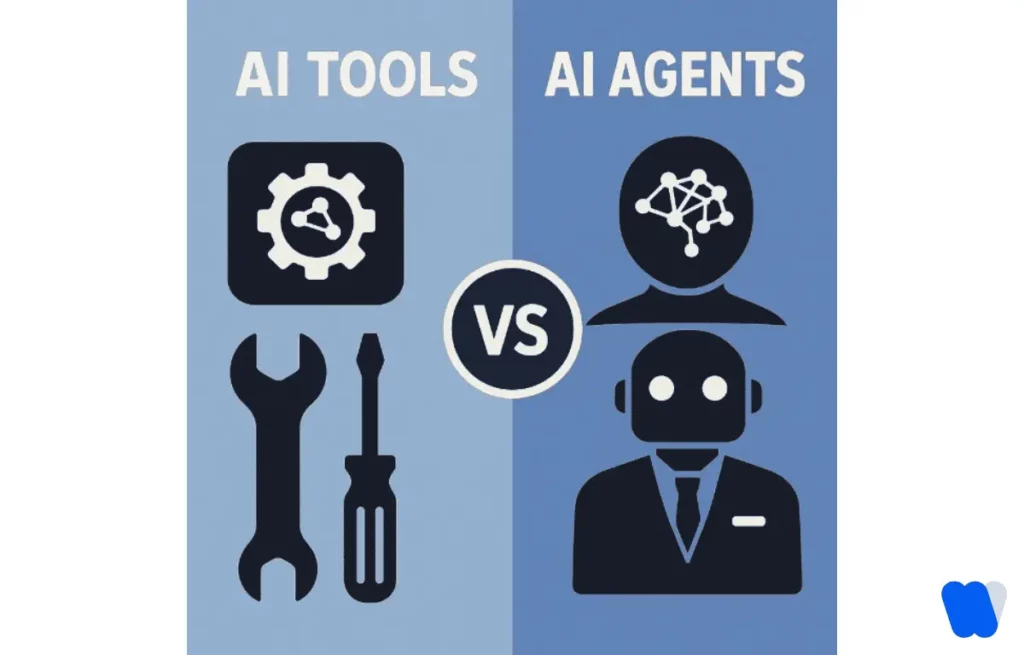
The phrase “Tools vs Agents” highlights a growing debate in the SEO (Search engine optimization) world as artificial intelligence becomes more advanced. For years, marketers have relied on SEO tools—specialized software that helps with tasks like keyword research, site audits, or link tracking. These tools are effective, but they require clear instructions and human oversight.
With the rise of AI, a new concept has emerged: agents. Instead of just responding to commands, agents can analyze data, plan actions, and even adapt strategies in real time. This shift changes the conversation from simply using software to working alongside intelligent systems.
In the context of SEO, the debate comes down to this: should teams continue to depend on tools that provide insights, or move toward agents that can think and act with more autonomy? This question sets the stage for understanding the real differences between the two approaches.
What Are AI SEO Tools?
AI SEO tools are software programs designed to handle specific SEO tasks with speed and accuracy. They can track keyword rankings, analyze backlinks, audit websites for technical issues, and generate reports. These tools act as digital assistants that follow your instructions and provide precise data, but they don’t make decisions on their own or help establish topical authority in SEO.
Popular examples include platforms like Ahrefs, SEMrush, and Screaming Frog, which help marketers to AI Search Visibility Platform for Startups.
What Are AI SEO Agents?
AI SEO agents are advanced systems that go beyond traditional tools by working autonomously to achieve defined goals. Instead of waiting for user commands, an agent can analyze search data, plan actions, and adapt its strategy in real time. For example, an agent might detect a sudden drop in rankings, investigate the cause, and take corrective steps without manual input.
A real-world example is KIVA, an AI SEO Agent that automates the entire SEO process—a move many marketers are making as they replace spreadsheets and SOPs with AI agents to reduce manual effort and scale.
According to Forrester (2024), AI agents are “general AI systems trained to perform tasks, make decisions, and interact with data or other systems autonomously.” This means they act less like calculators and more like digital teammates, learning from results, adjusting approaches, and coordinating across multiple tools.
In SEO, agents can handle complex workflows such as keyword clustering, content optimization, or campaign management, giving marketers not just insights, but actionable outcomes with minimal human effort.
Why Compare Tools vs Agents in SEO?
The debate of tools vs agents matters because different types of SEO professionals and businesses have different needs. The choice often comes down to efficiency versus autonomy.
Tools help agencies deliver precise audits, keyword research, and competitor analysis quickly. They are reliable for generating reports and insights, but they still require manual setup and interpretation.
Agents, however, bring autonomy. An SEO AI agent powered by the AI search visibility platform for agencies, can automate reporting, coordinate workflows across multiple tools, and even adapt strategies in real time. This means agencies can scale faster, reduce repetitive tasks, and focus on delivering measurable results for clients.
By comparing tools vs agents, we all can understand which option best aligns with our goals and resources. This sets the stage for exploring the five key differences between AI SEO tools and AI SEO agents.
What Are the Key Differences Between AI SEO Tools and AI SEO Agents?
Although both help marketers improve search visibility, AI SEO tools and agents work in very different ways.
5 Key Differences Between AI SEO Tools and AI SEO Agents:
Difference 1: Functionality Scope
AI SEO tools are built to perform one task really well. Like tracking rankings, auditing a site, or analyzing backlinks. They provide precision, but only within the limits of their function.
AI agents, on the other hand, can manage multiple steps in the SEO process. An agent might research keywords, cluster them, draft a content outline, and even monitor performance. All as part of a single workflow.
Difference 2: Human Involvement
With tools, users must provide constant input: set up reports, run audits, or decide what actions to take. The tool doesn’t act on its own.
Agents reduce this manual effort. Once given a goal, they can automate workflows, make decisions, and even adjust strategies with minimal supervision.
Difference 3: Adaptability
Tools follow fixed rules. They do exactly what they’re programmed to do, which makes them reliable but not flexible.
Agents are designed to learn from outcomes. If one strategy underperforms, they can adapt their next actions, improving results over time.
Difference 4: Workflow Integration
Tools fit into existing SEO stacks as add-ons. Rank trackers, site crawlers, or content optimizers that need to be manually linked together.
Agents act more like coordinators. They can connect with multiple tools, orchestrate tasks across them, and keep the workflow running smoothly from start to finish.
Difference 5: Outcome Orientation
Tools are great at measuring performance KPIs like organic traffic, click-through rates, or keyword rankings.
Agents go a step further. They don’t just measure results; they optimize for outcomes, such as higher conversions, more leads, or long-term growth in search visibility.
Tools vs Agents: Which Works Better for Different SEO Goals?
Choosing between tools and agents depends on your SEO goals, budget, and scale of operations. Tools are great for specific, tactical needs, while agents shine when strategy, adaptability, and automation are required.
Because tools follow fixed rules, they work best for predictable tasks like keyword audits or technical site checks. By contrast, agents learn from feedback, which means they reduce manual oversight and are better suited for long-term campaign management and optimization.
Here’s how they compare across different SEO goals:
| SEO Goal | Best Fit | Entity Attributes |
| Keyword Research & Audits | Tools | Task-driven, precise, low-cost |
| Technical SEO Checks | Tools | Crawling, error detection, reporting |
| Competitor Analysis | Tools | Focused insights, manual interpretation |
| Content Creation | Agents | Generates briefs, drafts, and optimizations; adapts to engagement data |
| Content Optimization | Agents | Multi-step, adaptive, learns from SERP signals |
| SEO Workflow Management | Agents | Automates multi-step processes, coordinates tools, scales across projects |
| Campaign Management | Agents | Goal-driven, autonomous, monitors and improves performance |
| Reporting & Monitoring | Tools (basic) / Agents (advanced) | Tools deliver data; Agents interpret and act on it |
A great example is KIVA, an SEO AI Agent that automates the entire SEO process. From keyword clustering and content briefs to optimization and scoring, giving agencies and businesses the power to scale without the manual grind.
How Will SEO Evolve with Tools and Agents Working Together?
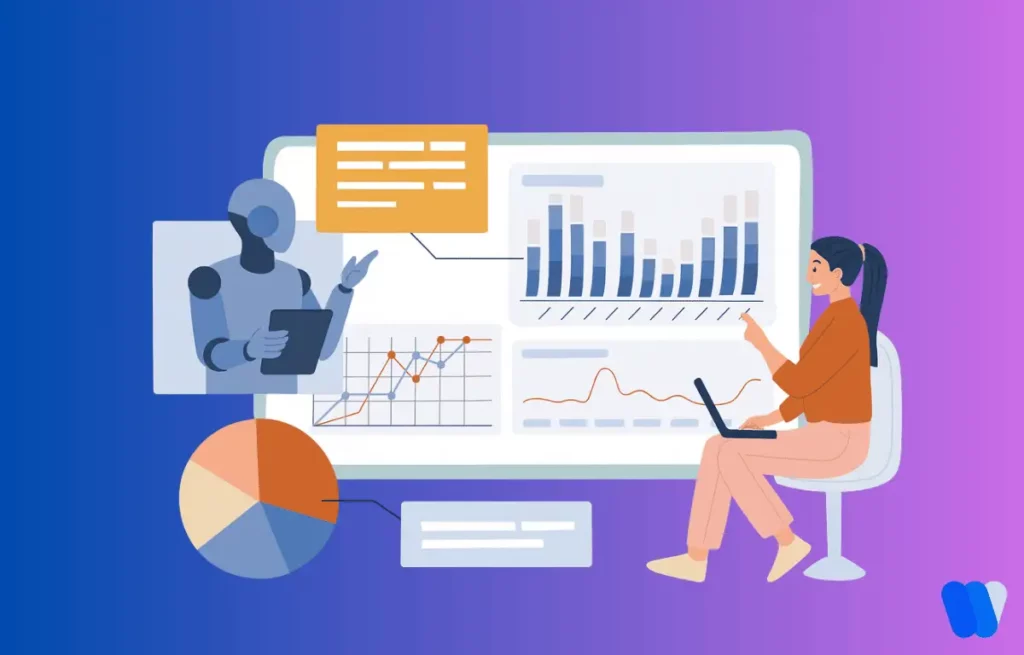
The future of SEO isn’t about choosing between tools and agents, but combining them. Hybrid workflows are taking shape, where tools provide raw data and agents turn it into action.
For example, Google Search Console (tool) can surface crawl errors or keyword impressions. An AI agent for SEO like KIVA can then cluster those keywords and launch a content strategy automatically.
Gartner forecasts that by 2028, 33% of enterprise software applications will include agentic AI, up from less than 1% in 2024, and that 15% of day-to-day work decisions will be made autonomously via agentic systems.
For SEO teams, this means less manual work and more focus on outcomes. Tools supply precision, agents drive execution, and together they transform SEO into automated performance management.
How Can You Choose Between Tools vs Agents for Your SEO Strategy?
Choosing between tools vs agents depends on your resources, goals, and team setup. Use this quick decision framework to guide your choice:
Budget
- Tools are more affordable and ideal for startups, and SMEs.
- Agents require more investment but deliver higher ROI by automating entire workflows.
Scale
- Tools work best for small websites or individual projects.
- Agents are better for agencies and enterprises managing large campaigns or multiple clients.
Skills
- Tools need user input and SEO know-how to interpret results.
- Agents reduce the need for deep technical expertise by automating analysis and actions.
Checklist for quick decisions:
- Tight budget → Start with tools.
- Growing business or multiple projects → Consider agents.
- Limited SEO expertise → Agents can fill the gap.
- Need precision for single tasks → Tools are enough.
FAQs
Conclusion: Tools vs Agents in AI SEO
The debate of tools vs agents comes down to how much control you want over the SEO process. Tools are precise and task-driven, while agents are dynamic, autonomous, and adaptive. We saw five major differences: functionality scope, human involvement, adaptability, workflow integration, and outcome orientation.
The future isn’t about choosing one over the other. Tools will continue to provide accurate data, while agents will use that data to plan and act. Together, they form a hybrid model where SEO is faster, smarter, and more efficient.
If you want a true AI Agent for SEO that automates your entire SEO process, from keyword research to content scoring—explore KIVA. It’s designed to deliver the best of both worlds: the precision of tools with the autonomy of agents.