

You’ve created high-quality content. You’ve done keyword research. You’ve even followed on-page SEO best practices. And yet—your website still isn’t showing up in search the way you expected. What gives?
You’re not alone. SEO visibility issues, SEO visibility challenges, and local SEO visibility issues are some of the most frustrating and widespread problems marketers face in 2025.
So, what’s going wrong—and more importantly, how do you fix it?
What Is SEO Visibility?
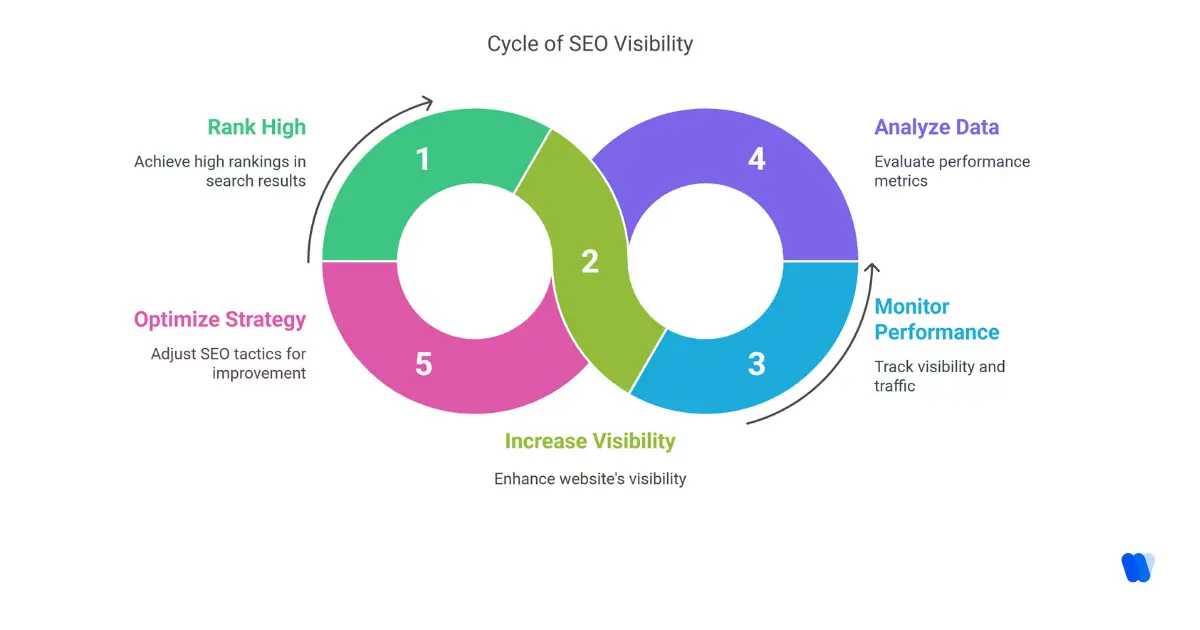
SEO visibility shows how often your website appears in search results and how well it performs compared to others targeting the same keyword. It’s measured as a percentage of all the possible organic clicks you could be getting for that keyword.
In simpler terms, if your site is ranking high in Google’s search results—and showing up often—it means you have strong SEO visibility. The higher your position, the better your visibility, especially compared to competitors.
You can also think of SEO visibility as your “impression share” in organic search. It reflects how many times your website shows up when someone searches for a keyword, out of the total number of times people searched for it.
Now, it’s important to know that SEO visibility is not the same as SEO traffic.
-
SEO visibility is a percentage—it tells you how much of the potential click-share you’re capturing.
-
SEO traffic, on the other hand, is a raw number—it shows how many actual clicks your site is getting.
Because of this difference, your visibility score might stay steady even if your traffic numbers go up or down. But if your visibility drops, your traffic is likely to take a hit too. The reverse, however, isn’t always true.
To build a full-funnel SEO action plan—spanning diagnostics, fixes, content strategy, and analytics, be sure to explore our complete SEO resource hub and see where your approach sits on the spectrum of AI-Driven SEO vs Traditional SEO.
Modern visibility isn’t limited to Google. AI-driven platforms like ChatGPT, Claude, and Perplexity are becoming key discovery channels. Learn how LLM.txt files can make your content AI-friendly and future-proof your SEO strategy.
For tips on how to structure pages that show up in more places across modern search experiences, see how to create content based on SERP and LLM trends.
Why does SEO Visibility Matter?
An understanding of SEO visibility can help you in three ways:
- You can diagnose SEO visibility issues promptly.
A loss of SEO visibility alerts you to potential causes like Google algorithm updates, Google penalties, technical problems, and so on.
- You get a high-level view of your site’s SEO health.
Raw SEO traffic data does not tell you how much more traffic you can expect, whereas SEO visibility tells you how much of the clicks pie you’re receiving.
For a brand-specific lens, Share of Search offers another powerful metric—it compares branded search volume against competitors to understand brand demand in search.
- You can make faster comparisons between specific keywords.
By comparing SEO visibility metrics for two keywords, you can evaluate their performance and make an informed decision to focus on certain keywords.
Is “SEO visibility” a synonym for “SEO traffic”?
In a word, no. Here’s the core difference between SEO traffic and SEO visibility:
Identifying an SEO visibility loss: how to check if you’ve lost your search visibility
Here’s a handful of the most common indicators that your site is facing SEO visibility issues and SEO visibility problems:
Indicator #1: Ranking for the Wrong Keywords
One of the most common SEO visibility issues is ranking for keywords that don’t convert. You might see traffic in Google Search Console, but little of it turns into engagement, leads, or sales.
Why? Because the search intent doesn’t match your content. It’s possible to rank for informational queries when your goal is transactional. Or for irrelevant terms just because they had high volume.
That’s not visibility. That’s noise.
Today’s SEO requires mapping keywords to actual user needs from Real-Time SEO Data. Otherwise, you’re building awareness with the wrong crowd—and Google picks up on that mismatch.
Indicator #2: Overlooking Technical SEO
Even the best content can’t shine if your technical foundation is flawed. Google’s algorithms rely on more than keywords—they evaluate structure, speed, crawlability, and performance.
Common technical issues affecting SEO visibility in 2025 include:
-
Slow-loading mobile pages
-
Poor Core Web Vitals performance
-
Unoptimized images and scripts
-
Broken internal links
-
Missing structured data
These issues don’t just hurt rankings—they can cause entire sections of yofur site to drop out of the index. Yet many teams still underestimate their impact—even though these technical flaws often cause technical SEO visibility issues that are hard to recover from.
Keep in Mind: “If you’re not solving the user’s need better than everyone else, you don’t deserve to rank.” — Aleyda Solis, International SEO Consultant
Indicator #3: Thin Content and Topical Gaps
Publishing frequency isn’t a visibility strategy. If your content lacks Topical authority, Google will deprioritize it in favor of content that better satisfies the query. These content limitations are a major contributor to SEO visibility issues and search engine optimization visibility issues, especially in competitive niches.
In 2025, Google’s updates continue to reward comprehensiveness and authority over keyword stuffing. Thin, surface-level content no longer passes. Your blog post needs to demonstrate:
-
Clear understanding of the topic
-
Relevant subtopics and angles
-
Supporting data or examples
-
Real-world applications or solutions
Indicator #4: Weak Internal Linking Structure
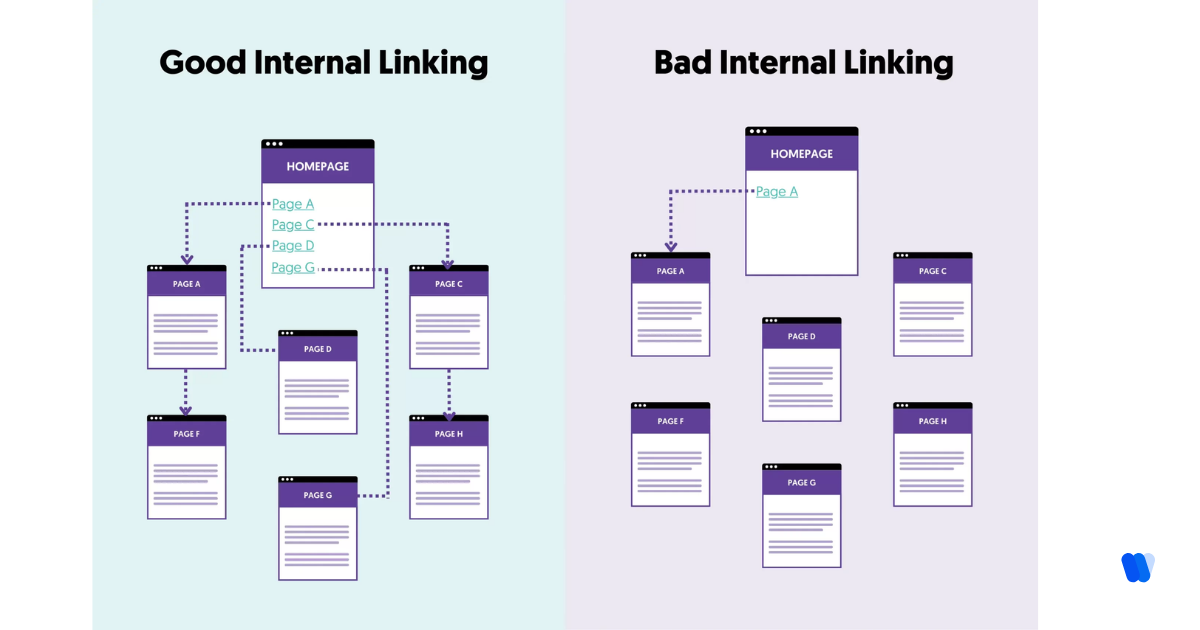
You might be publishing excellent content, but if there’s no internal strategy, it remains disconnected from your website’s authority network.
Internal links help:
-
Pass page authority
-
Signal content relationships
-
Guide crawlers through your content
-
Improve session duration and user flow
Yet many websites still treat internal linking as an afterthought. The result? Isolated pages that struggle to rank are classic signs of SEO visibility issues despite having quality content.
Indicator #5: Overreliance on Tools Instead of Strategy
Modern SEO platforms offer keyword suggestions, backlink tracking, and even content scoring. But visibility isn’t just about data points—it’s about understanding behavior.
Many teams are overly reliant on what tools suggest and forget to analyze what real users are actually searching for. They optimize for scores, not solutions. Freelancers especially run into the Challenges Freelancers Face Without AI Agents in SEO.
Your strategy should always begin with people, not platforms. What are they struggling with? How are they searching for it? Where are your competitors falling short?
That’s where visibility is earned. Platforms like KIVA help bridge that gap by combining audience intent signals with real-time keyword behavior, ensuring your strategy stays aligned with how people actually search.
Indicator #6: Stale, Unrefreshed Content
Search engines prefer fresh, relevant content that reflects current trends, stats, and user needs. If your blogs haven’t been updated in over a year, chances are they’ve slipped in rankings.
A consistent content refresh strategy helps maintain rankings, reclaim lost clicks, and stay competitive in fast-changing industries.
Understanding the reasons behind SEO visibility loss and fixing it
If you’ve noticed a drop in SEO visibility, you’re not alone. This happens even to seasoned marketers. The real challenge isn’t spotting the drop — it’s uncovering the cause and regaining your rankings before the damage spreads.
Below are the most common culprits and how to fix each.
Reason #1: Technical glitches
Technical issues are often the silent killers of your SEO visibility issues. Even the smallest update can trigger unexpected site behavior and loss in SERP positions.
Updates causing havoc
After a plugin or CMS update, you might lose custom redirects, indexing preferences, or even page accessibility. These errors often go undetected until your traffic suddenly dips, making SEO visibility troubleshooting essential.
Start by reviewing your Google Analytics logs. Match the traffic drop with recent updates or code changes. Reverse-engineering this timeline helps pinpoint the issue quickly.
Site is not being mobile-friendly
Use Google Search Console’s Mobile Usability tool to test the affected URLs. If flagged, consider switching to a responsive theme with optimized fonts, buttons, and load speeds.
Server offline
Even a few hours of server downtime can hurt your rankings. Googlebot may crawl your site during that period and find it inaccessible, reducing your trust score.
Use tools like UptimeRobot to monitor availability. If your uptime falls below 99.9%, it’s time to escalate the issue to your host or consider a switch.
Wrong “canonical” tag use
Canonical tags signal which page version Google should index. Used incorrectly, they can deindex pages you actually want visible.
Avoid pointing canonical tags to paginated roots or inconsistent URL formats. Test with site audit tools and validate them in your CMS.
Unoptimized site redesign
Redesigns can accidentally damage your SEO architecture. You might unknowingly block crawlers, change URL paths, or introduce duplicate content.
Run a full post-redesign audit:
-
Check for 404 spikes in GSC
-
Ensure all redirects are 301
-
Merge duplicate pages targeting the same keyword
-
Validate internal links and metadata
Reason #2: Competition upping their game
Sometimes, it’s not your fault. Your competitors may have improved while your strategy stayed static.
Examine your competitors
Use platforms like SimilarWeb to benchmark traffic trends. Compare your dip timeline with their growth — you might find a direct correlation.
Look at their past content
With tools like the Wayback Machine, you can review what changed in their high-ranking pages. Often, it’s smarter formatting, updated stats, or clearer value delivery.
Check if they built new links
Go to Ahrefs > Backlinks > New. Look for recent, high-authority domains linking to your competitors. Replicating those efforts can restore your spot.
Reason #3: Hosting issues
Cheap or unreliable hosting can hurt SEO in ways most people overlook. Slow response times, accidental noindex headers, or poorly configured servers can quietly wipe out your visibility.
Contact your host and ask:
-
Has anything changed on the backend?
-
Are there hidden X-Robots-Tag directives?
-
Has the server location changed or been blacklisted?
Even if you’re not a dev, insist on a technical review. Visibility loss due to hosting is real — and fully preventable.
Reason #4: Algorithm updates
Google rolled out over 12 core algorithm updates in 2025 alone. Any one of these can reshape rankings, especially if your content is outdated or over-optimized.
Use Panguin Tool to overlay your traffic with update timelines. If there’s overlap, research what the update targeted — E-E-A-T, spam, UX — and rebuild your pages accordingly.
Reason #5: Featured snippets
While featured snippets can offer visibility, they also cannibalize clicks from top-ranking pages. If you rank #1 but lose the snippet, expect a dip in CTR.
Audit your affected queries. Format your answers better — use numbered lists, definitions, or concise answers — to reclaim the snippet.
Reason #6: Lost backlinks
Backlinks are a trust signal. Losing a few high-quality links can negatively affect your authority and page rankings.
Use Ahrefs > Backlinks > Lost to check for domains that recently dropped off. Prioritize high-DR sources. Reach out and ask why the link was removed or how you might regain it.
8 Strategies to Fix Seo Visibility Issues (and Increase Search Visibility)
Once you’ve identified what’s causing your SEO visibility loss, it’s time to take action. Below are 8 proven strategies to help you recover your rankings — and climb even higher.
1. Optimize your existing content for more keywords
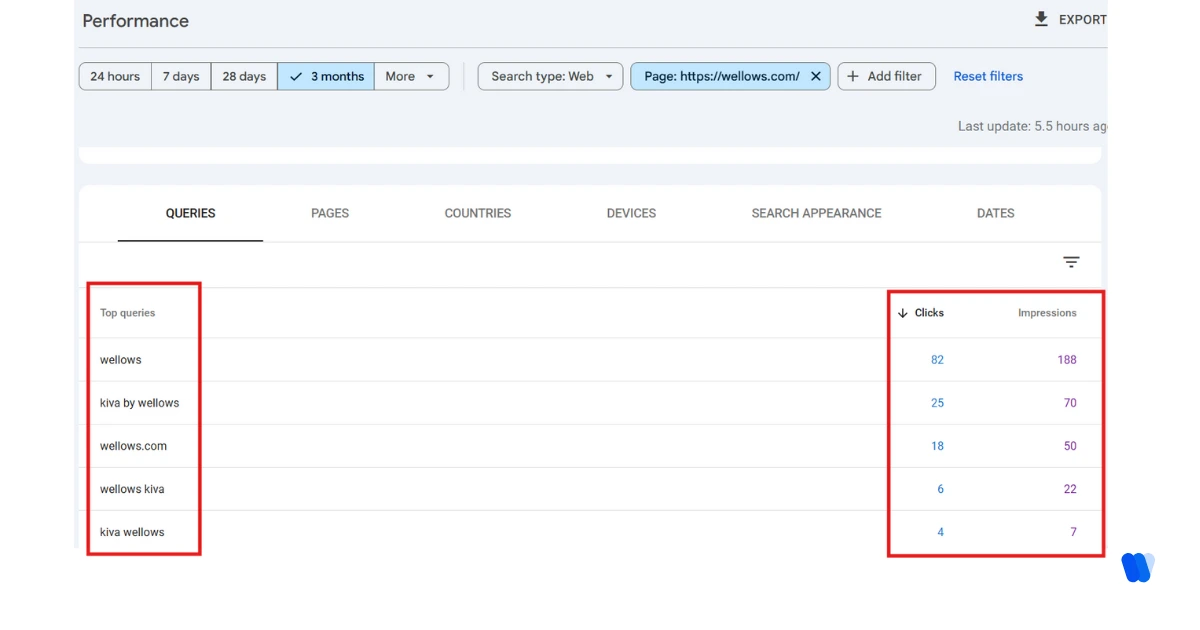
Start with Google Search Console to pinpoint lost impressions, clicks, and rankings. Focus on keywords that were previously performing well but have slipped.
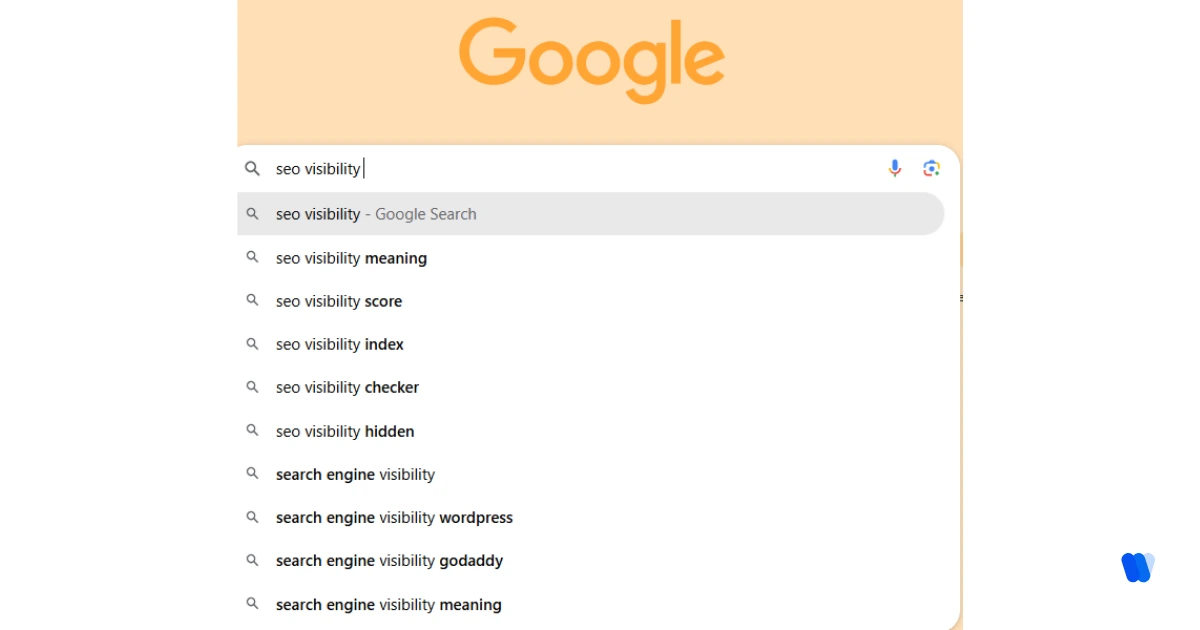
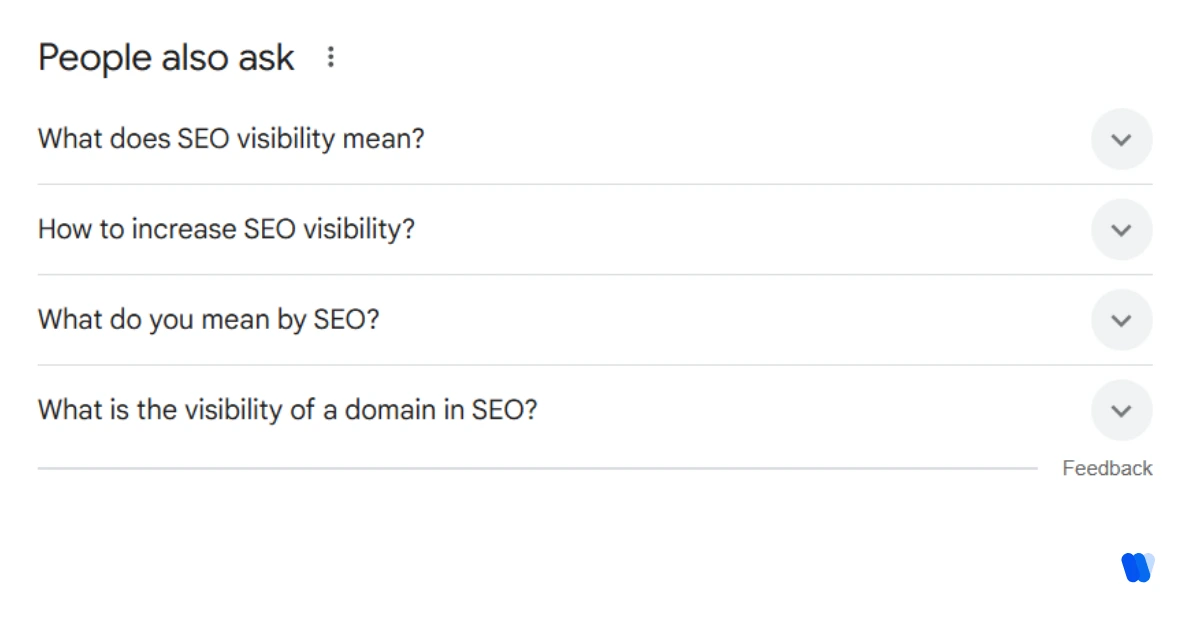
Add LSI keywords, long-tail phrases, and related questions from People Also Ask or Google suggestions. These increase topical relevance and make your content more visible for broader queries. You can also use KIVA Hidden Gems to surface underperforming but high-potential keywords from your Search Console data—ideal for quick-win optimizations.
2. Upgrade your content
Google rewards the best result, not just a good one. Expand old content into pillar pages — comprehensive guides that fully address search intent.
Break down complex topics into smaller linked articles. This keeps your site fresh and encourages internal link building across sections.
Increase dwell time by writing strong introductions, improving readability, and matching search intent better than your competition.
3. Add more engaging multimedia
Visuals do more than make a page pretty — they help users stay longer and understand better. Use infographics to simplify tough ideas and embed relevant videos with strong thumbnails.
Pages with embedded videos see up to 30% longer dwell time in 2025, especially when paired with clear calls to action.
4. Optimize your meta title and description
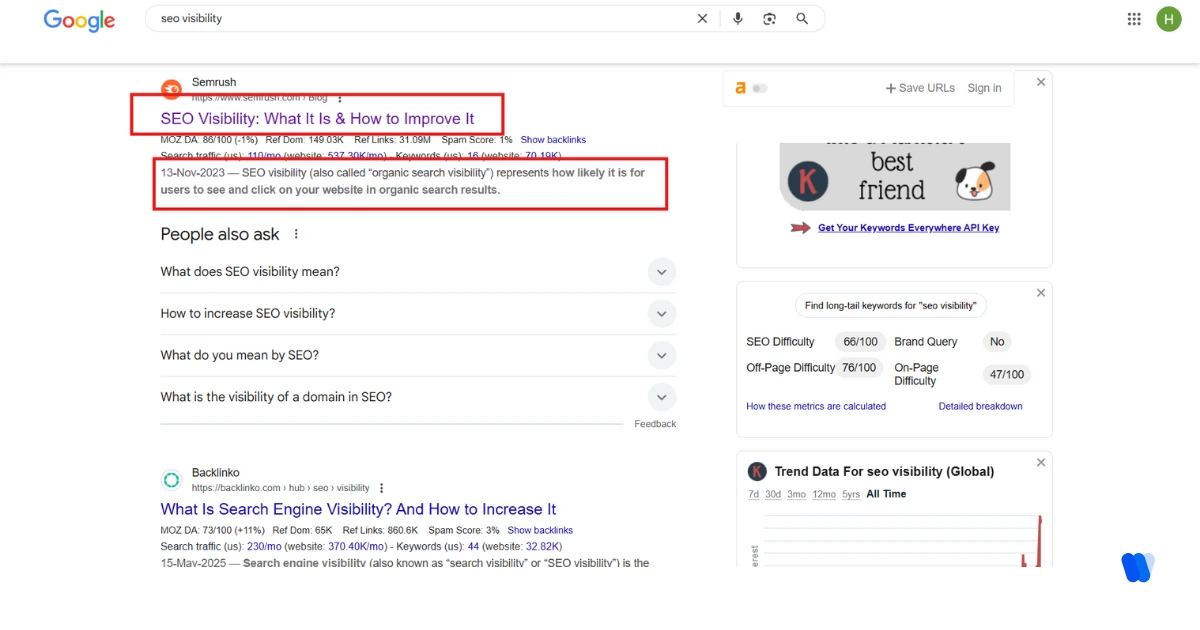
A good meta description can drive more clicks, even if your position doesn’t change. Keep it under 160 characters, use the keyword naturally, and highlight the page’s value.
5. Add more internal links to the page
Internal links help Google crawl your site and distribute link equity. Use relevant anchor text and link from high-traffic donor pages to lower-performing content.
6. Build more backlinks to the page
High-quality backlinks remain one of the most influential ranking factors. Focus on:
-
Guest posts on authoritative sites
-
Digital PR and influencer collaborations
-
Content that earns natural shares
Avoid spammy or low-quality directories. Google favors trust-based linking, especially from sources in your niche.
“The only links that moved the needle were from sites with real traffic and editorial standards,” shares Kevin Indig, SEO expert and growth advisor. (Insert after second bullet point.)
7. Expand your “SERP real estate”
You don’t have to stop at blue links. Use structured data to show up in rich results like FAQs, reviews, or recipes.
Add schema markup to unlock rich snippets that can increase CTR by up to 30% in 2025 (Aemorph).
8. Increase your domain authority
Domain Authority (DA) is not a Google ranking factor, but it’s a strong benchmark of SEO strength. To raise it:
-
Remove toxic links
-
Improve on-page SEO
-
Strengthen internal links
-
Optimize speed and mobile UX
Promote your best content and aim for consistent mentions on trusted websites in your industry.
Do periodic SEO website audits
Set a reminder to audit your site every 3–6 months. Use tools like Ahrefs or Semrush to identify crawl errors, missing metadata, or design issues affecting UX.
Focus on:
-
Page titles and canonical tags
-
Above-the-fold CTAs
-
Social proof and trust signals
-
DNS settings via GSC
Regular audits ensure your SEO engine runs smoothly and you stay ahead of competitors.
SEO Visibility in 2025: What’s Changed?
Google’s shift toward AI-enhanced search is transforming how visibility is measured. With features like AI Overviews and SGE (Search Generative Experience), the top spot isn’t always the blue link anymore.
That means visibility now includes:
-
Featured snippets
-
People Also Ask results
-
Visual cards and AI responses
-
Local Pack, Maps, and Reviews
To stay visible, your content needs to align with multiple search surfaces, not just rank traditionally.
SEO in 2025 isn’t just about being found. It’s about being useful where people are already looking.
Read More Articles
FAQs
Final Thoughts: SEO Visibility Is Earned, Not Guaranteed
SEO visibility issues aren’t always obvious, but their impact is. If you’re publishing regularly and still not ranking, it’s time to look beyond checklists and ask deeper questions.
Start with your audience. Match content to their intent. Strengthen your internal architecture. And never stop measuring what works.
In a world where search is shifting from static results to AI-curated answers, visibility isn’t just about traffic—it’s about trust, value, and positioning.
Fixing your visibility issues won’t just improve rankings. It’ll help you show up at the exact moment someone needs you most.