Generative engine optimization is now shaping how people discover, evaluate, and trust brands.
Over 71.5% of U.S. consumers use ChatGPT, Gemini, and Perplexity for daily information searches. These tools don’t just list links. They generate answers. And those answers are powered by brand signals.
If your brand isn’t recognized, referenced, or trusted by AI models, you’re not showing up in these key moments, no matter how good your content is.
And it matters. Because AI search visitors convert 4.4x better than traditional organic visitors, they’re more informed, more intentional, and further along the decision path.
Building on your ChatGPT Citations Report findings, which show 48% of citations from established domains, brand authority indicators determine which entities earn recognition in this competitive landscape.
This is where brand signals play a vital role in your GEO strategy.
Understanding Brand Signals
Brand signals are the reputation markers that shape how both people and AI models interpret your authority —exactly the kind of inputs the ChatGPT-4o Prompt Leak showed models rely on.
They include reviews, expert mentions, schema markup, author attribution, social visibility, and trust indicators like testimonials or case studies – all of which overlap with answer engine optimization strategies that help content become AI-citable.
In generative engine optimization, these signals decide whether your brand gets surfaced in answers—or ignored entirely.
In this blog, we’ll break down:
- How to strengthen your brand signals so generative engines don’t just know you exist, they choose to cite you
- Why brand signals are important for LLM visibility
- How to measure the strength of brand signals in LLMs
- How brand signal strengthening strategies increase LLM recognition
How Brand Signal Strengthening Strategies Increase LLM Recognition?
If you want to show up in AI-generated answers, your brand has to send the right signals, loud and clear. Here are the brand elements that help LLMs recognize, trust, and cite you, thus helpful in generative engine optimization:
1. Author Attribution Systems Establish Content Credibility
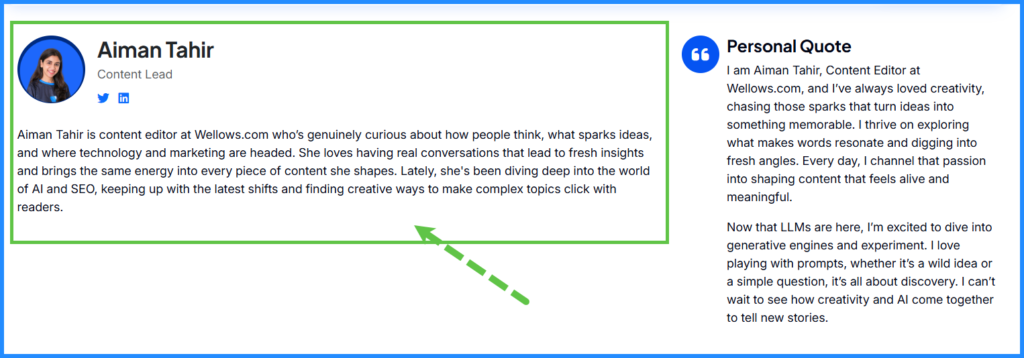
Add robust author bios to every piece of content. Include:
- Full name and photo
- Role and company
- Credentials (certifications, degrees)
- Links to other content or social profiles (e.g., LinkedIn, Twitter)
Bonus: Use schema markup like Person, Author, or Review to help machines parse this information.
Why it matters:
Generative AI systems are trained to value human experience and authority. The clearer your authorship signals, the higher the credibility and the more likely your content will be referenced in responses. These author bios are not just content details—they act as brand reputation signals that LLMs use to evaluate credibility.
2. Content Quality Audits Eliminate Trust Degradation
Do a quarterly content audit. For each page, ask:
- Is the information current and relevant?
- Is the formatting clean and scannable?
- Does it match your brand’s tone and expertise?
Remove low-quality content or redirect irrelevant pages. Refresh strong evergreen content with updated facts, internal links, and improved clarity.
Why it matters:
Language model algorithms evaluate your site holistically. Weak or stale content lowers your domain’s perceived quality—even if your flagship pages are strong. And since SEO doesn’t work in ChatGPT to boost weak content, quality signals are the only way to stay visible.”
Analyzing Brand Signals for Content Quality
Audits aren’t just about fixing broken links or updating facts—they’re about analyzing brand signals, which is why auditing Brand Visibility on LLMs is essential to ensure AI models interpret your brand accurately.
Check whether reviews, structured data, and schema markup are consistent across your content. Evaluate how often your brand is mentioned, cited, or trusted across platforms. The stronger and more aligned these signals are, the easier it is for LLMs to treat your content as authoritative during response generation.
Strengthening these consistency layers doesn’t just improve SEO; it builds trust loops that AI models recognize. For a complete overview of how GEO reinforces this trust architecture and turns structured credibility into lasting AI visibility, see the Benefits of Generative Engine Optimization — which explores how high-quality, original content becomes the foundation of brand authority inside generative search ecosystems.
After your content audit, use these solutions to correct outdated brand messaging that generative engines surface: Tip: Keep one canonical “Brand Statement” page and reuse its exact wording in schema, bios, and PR.Correcting Outdated Brand Messaging in Generative Search Results
3. Trust Signal Architecture Reinforces Brand Authority
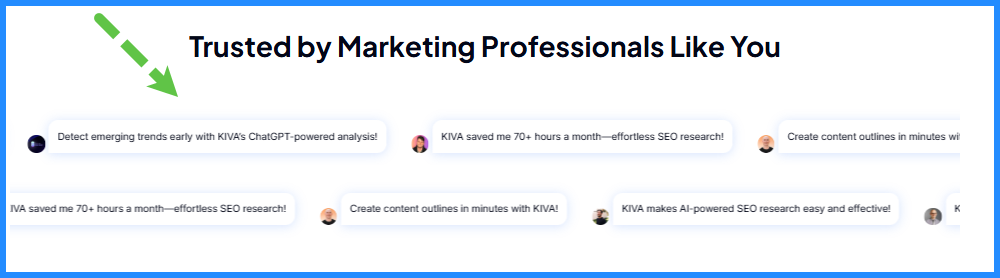
Trust is both technical and emotional. Across your site, reinforce trust by including:
- Contact forms and phone numbers
- Third-party review widgets (G2, Trustpilot, etc.)
- Trust badges (SSL, GDPR compliance, security certs)
- Real testimonials and case studies
Why it matters:
These small details form a signal constellation—micro-credibility indicators that LLMs (and users) pick up on subconsciously.
How do brand signals affect customer perception?
Reviews, testimonials, and trust badges shape user trust instantly. In digital ecosystems, these brand signals double as machine-readable trust indicators. Positive reviews and verified badges make customers feel safe, while also signaling to LLMs that your brand deserves visibility. Weak or inconsistent signals, on the other hand, create doubt for both users and generative engines.
4. E-E-A-T Implementation Frameworks Generate Citation Confidence
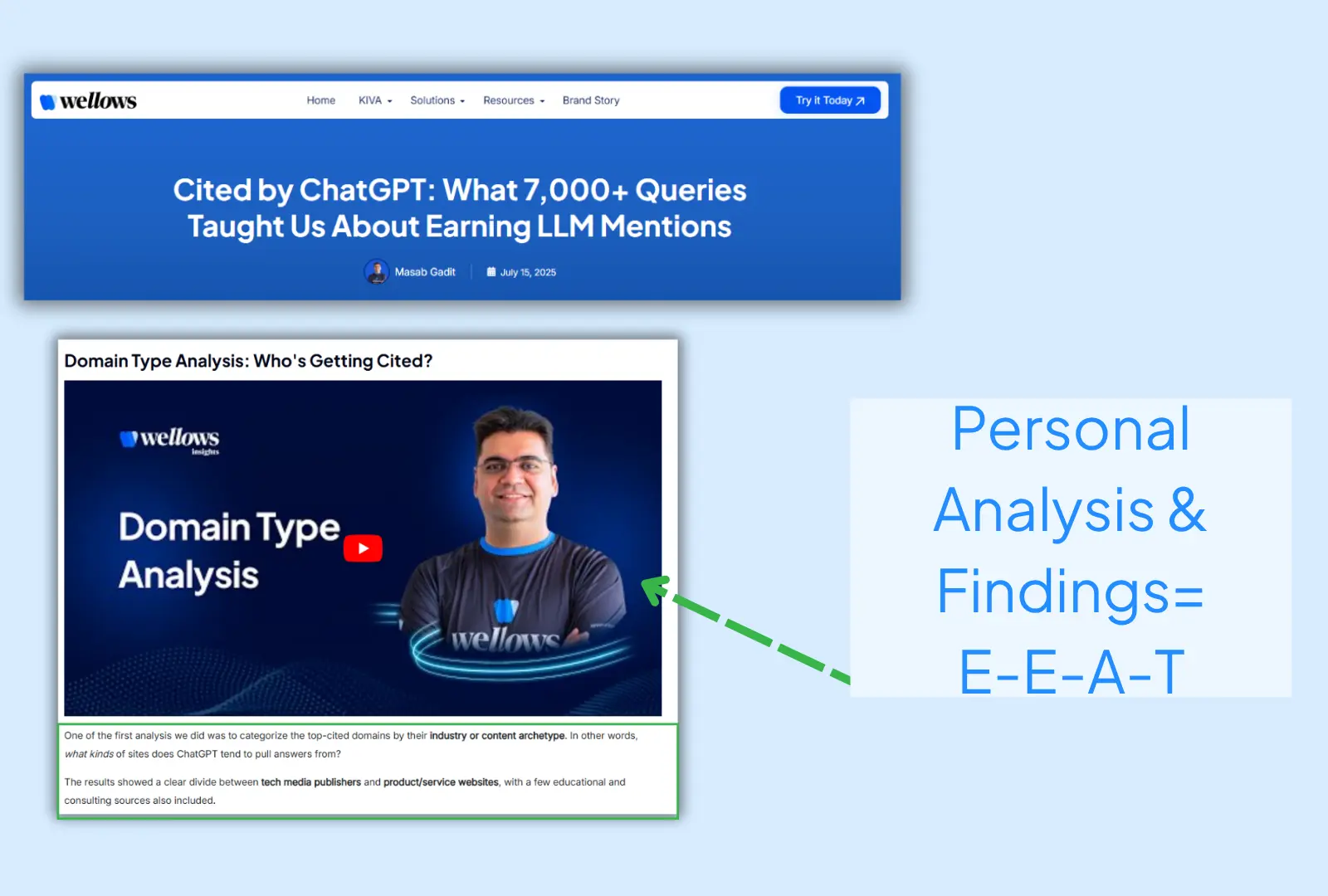
Make sure your content consistently reflects:
- Experience: First-hand case studies, results, lessons learned
- Expertise: SME input, credentials, certifications
- Authoritativeness: Quotes in industry news, backlinks from niche sources
- Trustworthiness: Transparent sourcing, clear disclaimers, balanced tone
These metrics score higher when SEO fundamentals and GEO tactics are aligned—essentially when you combine SEO and GEO.
Why it matters:
E-E-A-T principles are foundational to how Google and LLMs assess credibility. Even if not explicitly labeled in AI models, they are deeply baked into AI sourcing patterns. E-E-A-T optimization connects directly to your LLM seeding methodology, where authoritative content positioning increases citation probability.
You can further strengthen this by applying the most effective strategies for AI visibility enhancement, which expand beyond E-E-A-T into structured and technical GEO tactics.”
Your ChatGPT experiment results demonstrate that brands with stronger E-E-A-T signals receive more prominent mentions in AI-generated responses. While individual signal optimization matters, systematic measurement reveals which strategies generate the highest LLM citation rates.
Ways to Improve Brand Signals
Ways to improve brand signals include: verified author bios, consistent schema markup, mentions in niche publications, and proactive PR placements. Each reinforces your authority and ensures LLMs have multiple, reliable data points when generating answers.
Examples of effective brand signals:
– Verified Google Business reviews
– Mentions in top-tier publications
– Consistent author schema across blogs
– Case studies cited in industry reports
5. Expert Platform Presence Amplifies Topical Authority
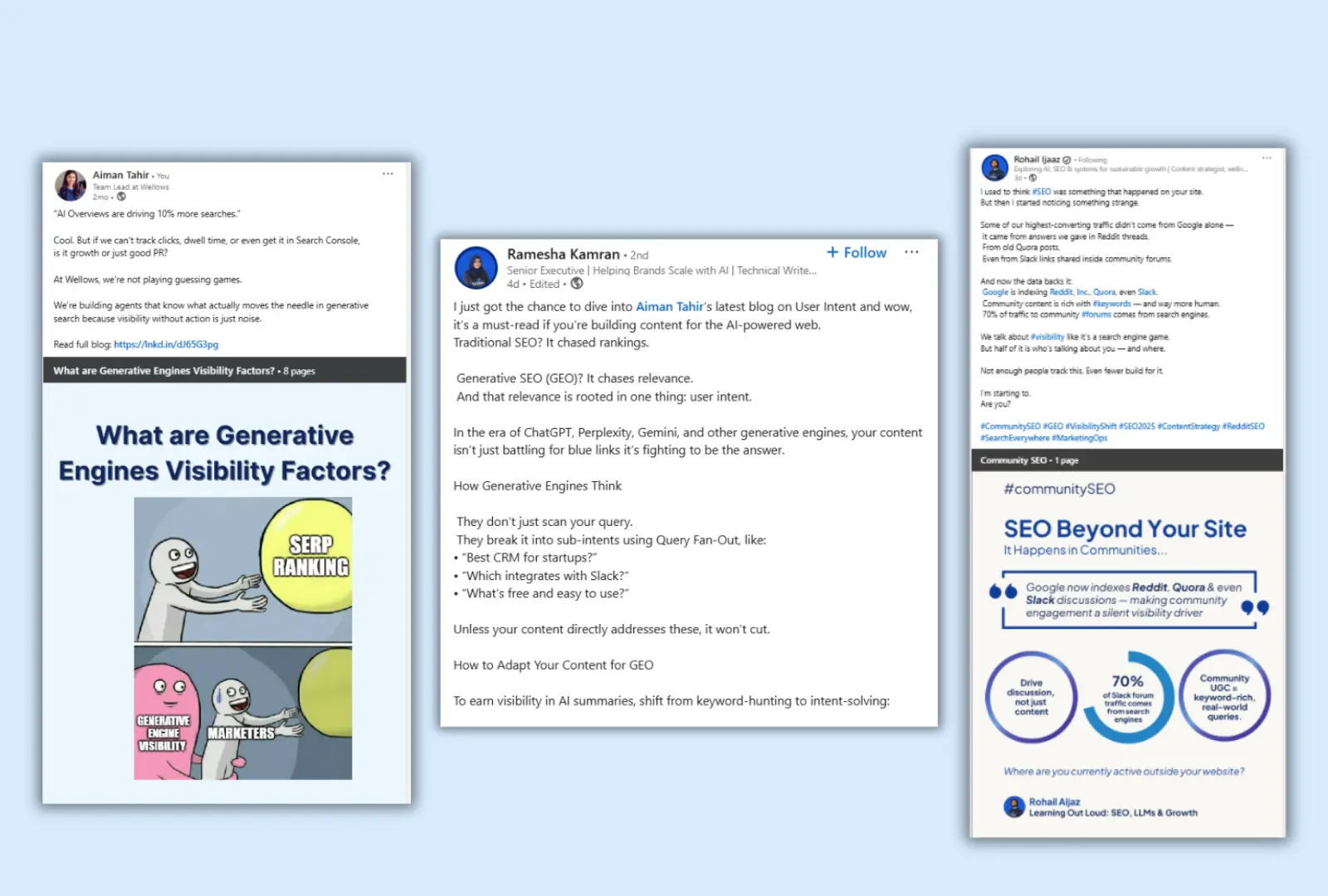
Encourage team members to:
- Post regularly on LinkedIn
- Contribute guest blogs or Medium pieces
- Appear on webinars or podcasts
- Share takeaways from conferences
Consistent posts on LinkedIn, X, Reddit, and Discord form brand signals in social media, helping LLMs map your authority to topics.
Why it matters:
LLMs associate authors with topics. A team member who’s active across multiple reputable platforms builds topical authority—helping AI Agents as Web Users recognize and surface your brand.
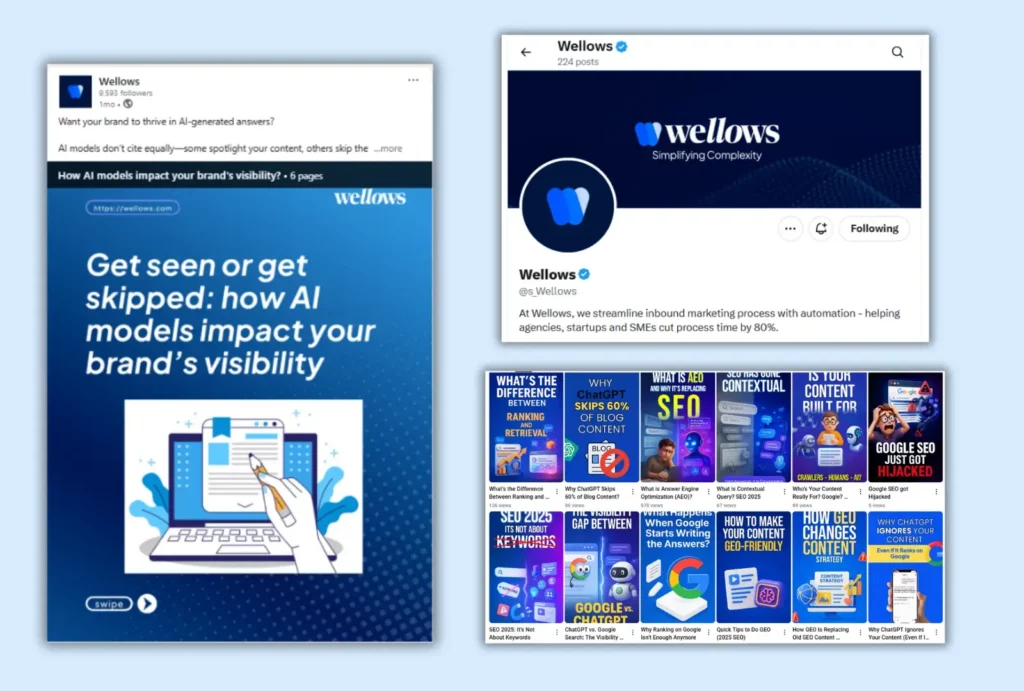
6. Brand Voice Consistency Creates Recognition Patterns
Develop a clear style guide for:
- Tone of voice
- Writing style
- Terminology and vocabulary
- Visual identity (color, logo, image style)
Logos, imagery, and design consistency act as visual brand signals that AI systems recognize as part of entity identification.
Apply this consistently across:
- Blog content
- Social channels
- Community platforms (e.g., Reddit, Slack, Discord)
Bonus: You can feed your brand voice to KIVA AI SEO Agent to make sure your content has the same tone of voice and writing style.
Why it matters:
Consistency improves brand recall—both for people and AI. If the same tone, phrases, and message keep appearing, LLMs begin to pattern-match your brand to specific queries or prompts.
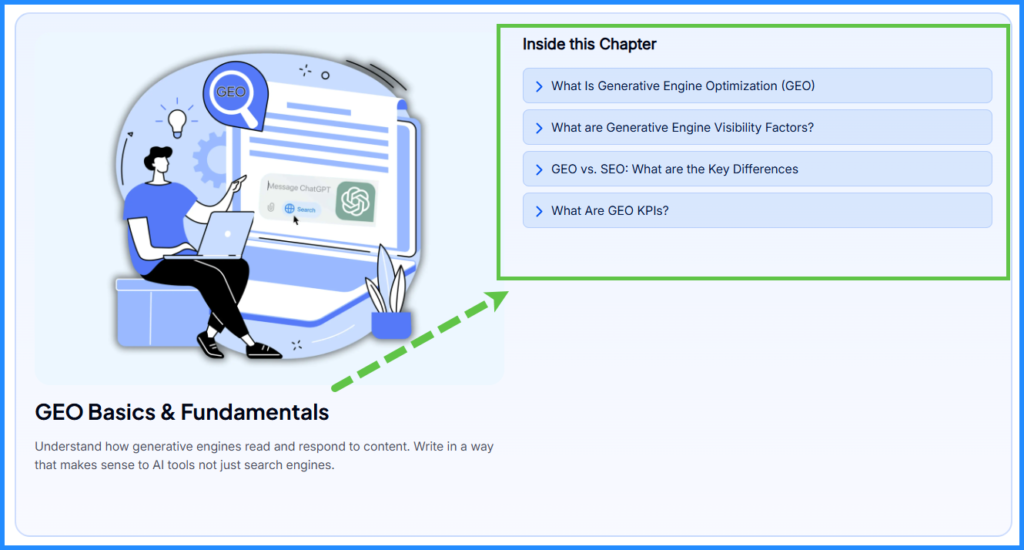
7. Hub-Spoke Content Architecture Demonstrates Subject Mastery
Structure your site around core themes with:
- A main hub page
- Linked spoke pages covering sub-topics
- Contextual internal linking
Hub-spoke structures, when combined with digital brand signals like schema and structured data, strengthen entity recognition across AI systems.
Why it matters:
Conversational AI platforms prefer cohesive, interlinked ecosystems. Hubs help the AI understand the depth of your authority across a topic, boosting your visibility for both direct and adjacent queries.
Hub-spoke architecture supports your query fan-out research, where single brand queries expand into multiple sub-intent citations. This structural approach helps LLMs understand brand authority depth across related topics.
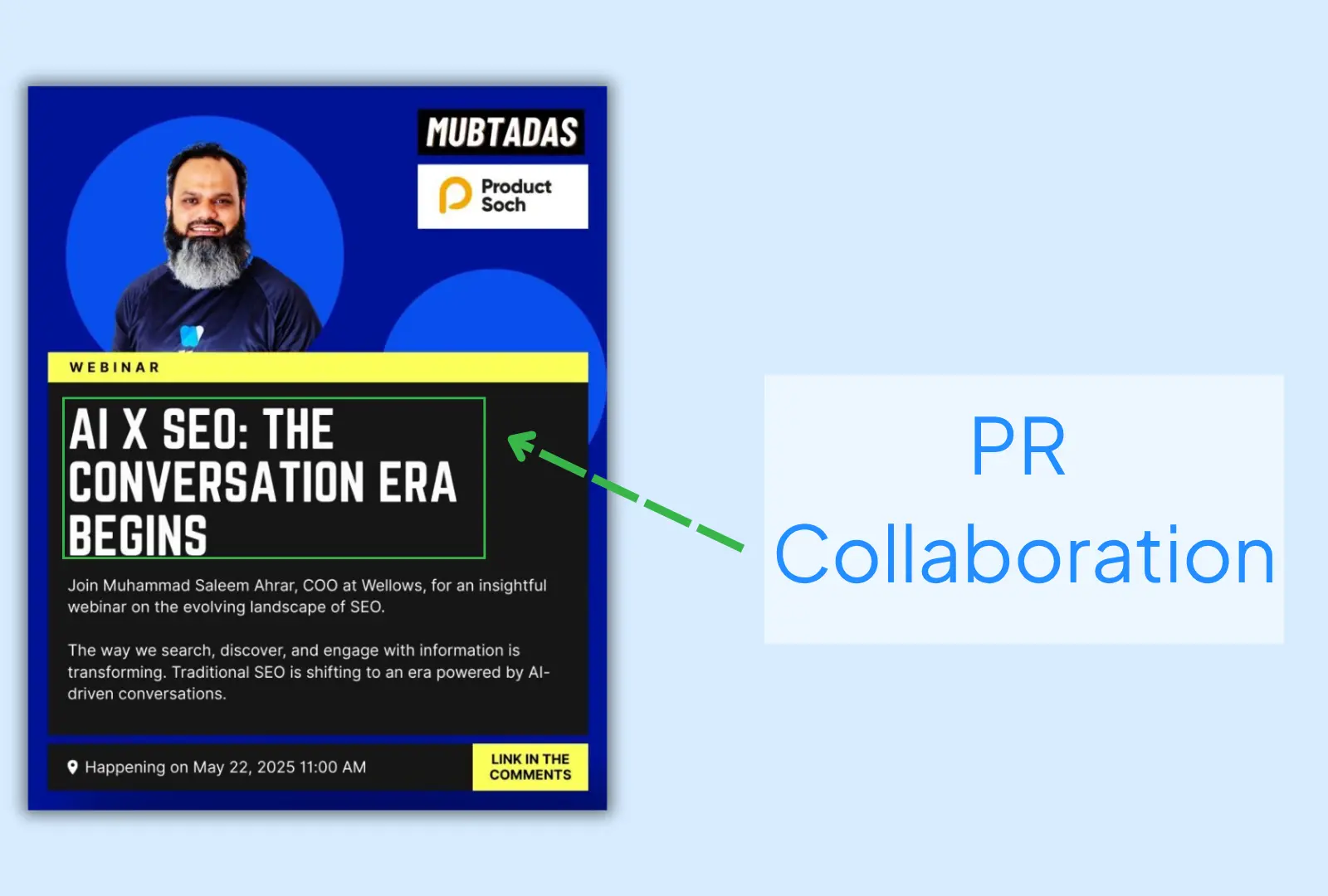
8. Strategic Mention Distribution Builds Entity Recognition
Take advantage of:
- PR platforms (like Help A Reporter Out or Link-able)
- Niche directory submissions
- Guest post roundups
- Top tools lists
- AI startup discovery blogs
Why it matters:
Even unlinked brand mentions are stored in the AI’s training data. If your name keeps appearing in contextually relevant places, AI systems identify and understand you as part of the knowledge graph, even if you aren’t ranking on Google.
Why Brand Signal Impact Mechanisms Drive LLM Selection Criteria?
In the era of prompt-based discovery, trust signal architectures are how AI decides who to trust and what to surface. Here’s why they matter:
1. Brand Signals Decide Whether You Get Cited
Even if you rank well on Google, LLMs won’t cite your brand unless you’ve built enough recognizable signals. Structured data, entity alignment, and schema markup help ensure AI models “see” your content and include it in responses.
2. You Win Even in Zero-Click Search
Users may not click through—but being mentioned or summarized in an AI response still gives you visibility, authority, and mindshare. Your brand becomes part of the conversation—even without the click.
3. AI Mirrors What It Trusts
LLMs don’t create content from scratch—they summarize what they’ve seen across multiple sources. If your brand isn’t consistently positioned as credible, accurate, and active, it simply won’t make the cut.
4. Prompts Replace Keywords—But Recognition Still Rules
Over 1 billion prompts hit ChatGPT every day. If your brand isn’t already showing up in those answers, your competitors will fill that gap. Prompt-based search gives trusted brands the edge.
5. Consistency Prevents Confusion
Machine learning systems pull from everything, your site, LinkedIn, Reddit, third-party blogs. If those touchpoints are misaligned, your brand story becomes fragmented. Clean, unified brand signals prevent misinformation or outdated answers from appearing.
6. Early Movers Get the Model’s Attention
More than 70% of U.S. users now search using generative AI tools. The brands who show up early and consistently, train the models on what to trust. That edge compounds over time.
Enhancing your brand’s visibility in generative AI responses requires a strategic approach tailored to how AI models retrieve and present information. Here are key strategies to consider:Strategies to Improve Brand Visibility in AI Answers
What Brand Signal Measurement Methodologies Provide Performance Insights?
Here’s how you can measure brand signals in LLMs:
| Method | What to Look For & Why It Matters |
|---|---|
| Run Prompt-Based Checks in ChatGPT, Gemini, Perplexity | Type real user prompts (e.g., “AI Search Visibility Platform for Startups”) and check if your brand is mentioned or cited. It’s a real-time pulse on LLM visibility. |
| Track Citation Frequency & Sentiment | Note how often and how positively your brand appears across answers. Frequent, favorable mentions signal strong LLM trust. |
| Monitor “People Also Ask” & Related Searches | Google’s related search features give clues into common follow-up intents. If your brand ranks there, it’s likely primed for fan-out citations. |
| Scan Organic Mentions on Reddit, Quora, YouTube | LLMs mine social platforms for insights. Brands with organic, relevant mentions are more likely to get surfaced in generative responses. |
| Compare Brand Presence Against Competitors | Run side-by-side prompts with competitor names to identify if they’re showing up more often. If so, it’s a signal to boost your authority footprint. |
| Audit Crawlability & Passage Structure | Check that your core pages are indexable, semantically rich, and broken into clear, passage-friendly sections. LLMs prefer modular, scannable content. |
Auditing Brand Mentions Across Third-Party Ecosystems
Once you’ve built consistent mentions, the next step is auditing how they appear across platforms like social media, forums, blogs, and news outlets. This ensures your brand is not only visible but represented accurately in generative search training data.
- Define Scope: Identify key platforms and decide whether you’re tracking awareness, sentiment, or competitor benchmarks.
- Use Monitoring Tools: Tools like BrandMentions, Mention, YouScan, or Google Alerts provide real-time mention tracking and sentiment insights.
- Set Parameters: Track brand names, products, hashtags, and even common misspellings for a full picture.
- Analyze Data: Measure volume, sentiment, and engagement to understand how your brand is discussed.
- Take Action: Engage with audiences, adjust campaigns, or address negative mentions proactively.
- Review Regularly: Keep monitoring ongoing—brand perception shifts quickly in AI-driven ecosystems.
Why it matters: Proactive auditing ensures your brand narrative stays accurate, prevents outdated messaging, and strengthens authority signals that LLMs rely on when surfacing responses.
Read More Articles
- Why Structured SEO Briefs Are the New Foundation of AI Search Success
- How to Understand User Intent in Generative Engines?
- How Can Pattern Recognition Improve Visibility in AI-Generated Answers?
- How to Design Content Briefs for GEO?
- Can GSC Data Guide Your GEO Strategy?
- How Will Google’s AI Mode Transform Traditional SEO Practices?
FAQs
Brand signals shape first impressions in AI and search-driven environments. When users see consistent reviews, expert attributions, and citations, they associate your brand with credibility. Weak or inconsistent signals create doubt, while strong ones build trust that directly influences conversion behavior in generative search.
In digital ecosystems, brand signals are the reputation cues LLMs and search engines rely on—reviews, structured data, mentions on forums, schema markup, social visibility, and author bios. These signals tell both humans and algorithms whether a brand is authoritative enough to be surfaced in AI-generated responses.
A strong brand signal is both consistent and verifiable. Examples include verified author profiles, recurring mentions in niche publications, positive third-party reviews, and structured trust data like Person or Organization schema. Together, these reinforce authority, helping LLMs decide whose answers are trustworthy enough to cite.
Brand signals can be measured through prompt-based checks (e.g., testing whether your brand appears in ChatGPT, Gemini, or Perplexity answers), citation frequency, sentiment analysis, and schema validation. Monitoring unlinked mentions on Reddit, Quora, and news outlets also reveals how visible your brand is within generative training and retrieval systems.
Strong brand signals increase the chances of your brand being cited in AI answers, even in zero-click environments. They amplify discoverability, boost customer trust, and improve long-term authority. For GEO, strong signals mean LLMs don’t just know you exist—they select you over competitors as the credible source.
Improving brand visibility in ChatGPT and Perplexity means making content clear, structured, and conversational, ensuring consistent mentions across forums and social platforms, securing coverage on authoritative sites, and keeping brand information updated so AI models recognize and cite you reliably.
To make your brand AI-visible across ChatGPT and Gemini, align content with schema markup, publish detailed authoritative pages, maintain consistent brand data across all profiles, earn strong backlinks and PR mentions, and refresh content regularly so AI systems surface you as a trusted entity.
So, How Can Brand Signals Keep You Visible in the Age of AI Search?
In a world where search is now served through ChatGPT, Gemini, and Perplexity , it’s not just your content that gets scanned. It’s your brand signals.
LLMs aren’t browsing your homepage, they’re scanning structured data, Reddit comments, citations, author bios, and trust markers. If your entity recognition markers aren’t showing up, your answers won’t either.
Key Takeaways
- Brand signals = visibility: The more structured and consistent they are, the more you get cited.
- Trust is algorithmic now: Verified authorship, review schemas, and digital PR matter more than backlinks.
- Mentions beat meta tags: Unlinked brand mentions across Reddit, forums, and news outlets are gold.
- Audit regularly: Outdated or inconsistent brand signals confuse AI models , clean it up.
- AI favors clarity: Centralized bios, FAQs, and schema help LLMs “understand” you faster.
Integrating these brand signal strategies with your query fan-out methodology —and reinforcing them with the Top GEO Tactics—creates comprehensive AI visibility optimization.
Brand signals aren’t optional anymore — they’re the foundation of how AI sees (and serves) your business. If you want visibility tomorrow, start signaling today.